Top Cloud Production Planning Software Bangladesh Garment Factories Use in 2026
by Kunal Kapur
 9
Mins Read
9
Mins Read
Key Takeaways
- Production planning technology falls into four practical categories: apparel-specific planning and supply chain solutions, ERP systems used by fashion and apparel businesses, ERP/PLM platforms with embedded planning capabilities, and general-purpose scheduling systems adapted to manufacturing.
- Most Bangladesh factories are cut-make-trim (CMT) or full-package manufacturers, so an apparel-specific planning and supply chain solution fits the factory floor most directly and works alongside existing business systems.
- Cloud/SaaS delivery has turned advanced planning from a large upfront capital cost into an operational subscription, making these tools accessible to a wider range of factories.
- Least Developed Country (LDC) graduation on 24 November 2026 begins the erosion of duty-free access, so productivity must replace preference in the margin equation.
- Production planning is one of the few levers that lifts productivity without adding people or machines. Coats Digital reports that FastReactPlan customers typically see productivity gains of 3 to 10 per cent.
- Spreadsheets are the “before” state. They break once order books fragment, buyers move ship dates, and planning spans multiple factories or manufacturing units such as knits, denim, and woven.
- There is no single winner. The right answer is a category fit for the factory’s operating model, its existing technology ecosystem, and how many sites and manufacturing units need one shared plan.
Why Cloud Production Planning Matters More Than Ever for Bangladesh Factories in 2026
For most Bangladesh garment factories, the margin that once came from duty-free access is quietly disappearing, and cloud production planning software has become one of the few practical ways to replace it with efficiency. The ready-made garment (RMG) sector is not a side industry here; it is the economy’s export engine. According to figures compiled from the Bangladesh Garment Manufacturers and Exporters Association (BGMEA), the sector accounted for roughly 81.5 per cent of the country’s total export earnings, worth about US$39.35 billion, in FY2024-25, and it directly employs around 4 million workers, the majority of them women. When margins tighten in an industry this concentrated, planning discipline stops being a back-office nicety and becomes a survival question.
Three pressures are compressing cost and lead time at once. Trade preferences are eroding as the country prepares to leave LDC status. Development calendars are shrinking, with smaller and more fragmented production runs replacing the long, stable orders factories were built around. And margins are thin enough that there is no room left for the firefighting, missed ship dates, and unplanned airfreight that manual planning tends to produce.
The “why now” is a hard date. Bangladesh graduates from Least Developed Country status on 24 November 2026, ending the preferential access that has anchored the garment industry for two decades. The World Trade Organisation (WTO) estimates that failure to qualify for the European Union’s Generalised Scheme of Preferences Plus (GSP+) would put up to US$8 billion in annual export earnings at risk, and the EU’s three-year transition period means apparel tariffs of roughly 9 to 12 per cent are likely on exports to Europe once preferences lapse after 2029. Competitiveness has to shift from policy-driven support to productivity-driven efficiency, and it has to shift fast.
This article takes a category-first approach to help Bangladesh apparel manufacturers evaluate planning technology by fit. Capability claims are drawn directly from each vendor’s own primary sources. Coats Digital figures are cited to coatsdigital.com.
On this page
- What “cloud production planning software” actually means
- The building blocks of accurate production planning
- The top cloud production planning software in 2026 (comparison table)
- Vendor profile: FastReactPlan by Coats Digital
- Understanding the other planning technology categories
- Matching planning technology to your factory’s operating model
- The 2026 shift: AI-assisted planning
- Common production planning mistakes: a self-diagnostic
- Choosing by factory size and model
- Conclusion
- FAQ
What “Cloud Production Planning Software” Actually Means
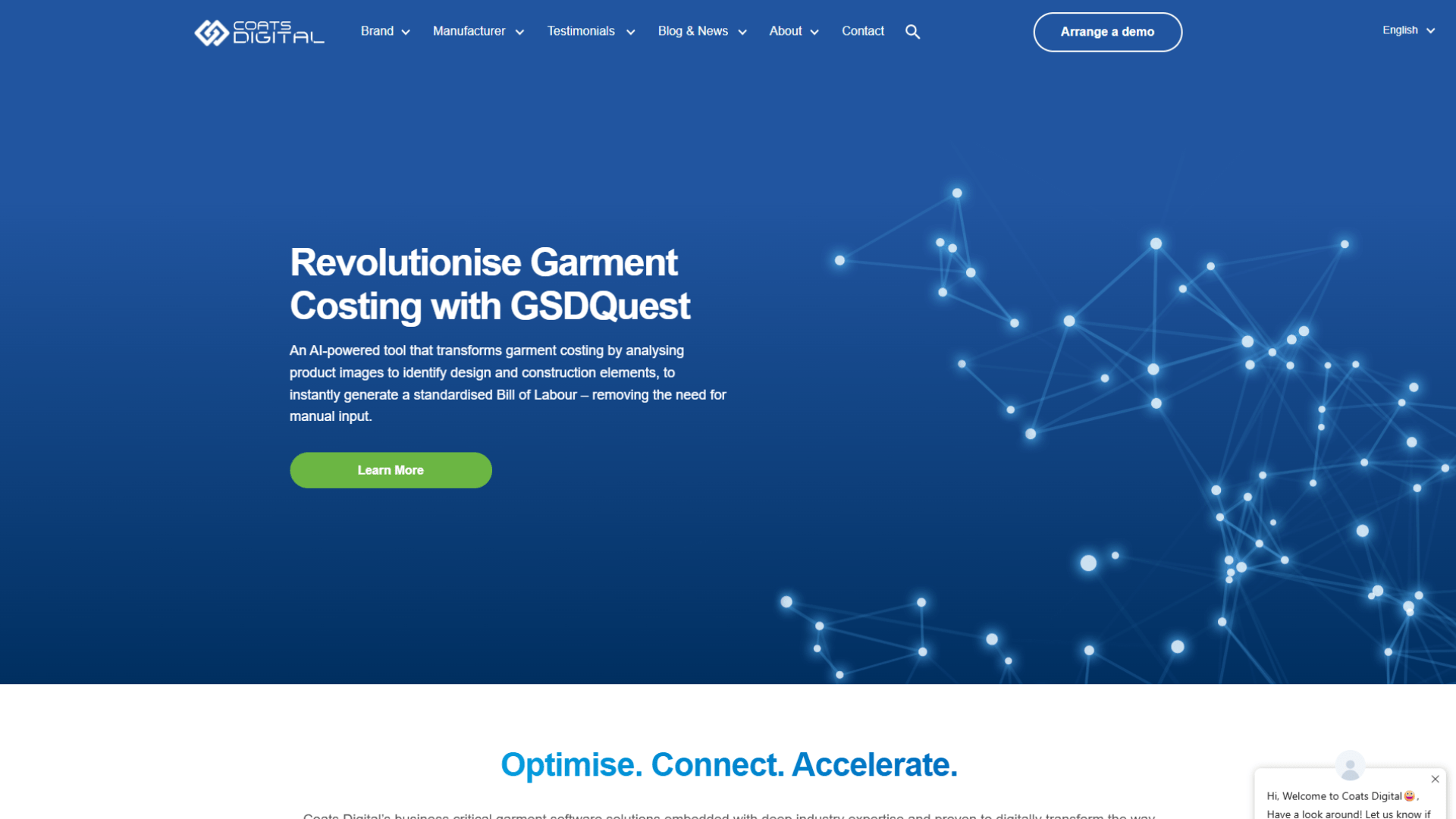
Cloud production planning software is an apparel manufacturing application, hosted on a provider’s servers and accessed through a web browser, that plans and controls factory capacity, materials, and the pre-production critical path (also called the Time and Action, or T&A, calendar) in one place. It replaces spreadsheets and disconnected tools with a shared, real-time planning board that can be reached from any factory, office, or device.
The confusion begins because several quite different types of software all get called “production planning.” They solve overlapping problems from different starting points, and understanding the categories is the first step in choosing the right technology for a Bangladesh apparel manufacturer.
The four practical categories
- Apparel-specific planning and supply chain solutions. Purpose-built for garment manufacturing and end-to-end apparel supply chain planning. These solutions combine visual, drag-and-drop capacity planning, critical path and Time and Action management, materials planning, and multi-factory coordination in one system. They are designed to work alongside existing ERP and PLM systems rather than replace them. Example: Coats Digital’s FastReactPlan.
- ERP systems used by fashion and apparel businesses. Enterprise Resource Planning (ERP) is the system of record for the business, covering financials, order management, inventory, procurement, and reporting. These platforms are the backbone of the commercial and financial picture.
- ERP/PLM platforms with embedded planning capabilities. Some larger platforms bundle Product Lifecycle Management (PLM), which governs product development, with ERP-style functionality and a planning module. Planning is one capability inside a broader suite, and the depth of scheduling functionality varies by vendor.
- General-purpose scheduling, APS, or MRP solutions adapted for manufacturing. General-purpose Advanced Planning and Scheduling (APS) or Material Requirements Planning (MRP) tools apply constraint-based planning logic across manufacturing verticals. They can be configured for apparel but are not natively built around garment production.
These categories work together rather than compete. A Bangladesh factory typically runs an ERP for finance, orders, and inventory; may run a PLM for product development; uses shop floor data collection systems on the manufacturing line; and connects an apparel-specific planning and supply chain solution to govern capacity, critical path, and materials across the operation. The apparel-specific category is the one that most directly plans the factory floor, and it is designed to integrate with the others.
The Building Blocks of Accurate Production Planning
What every planning system must account for
Three inputs sit underneath any credible plan: capacity across lines, machines, and sections; the pre-production critical path (Time and Action calendar); and material requirements. The difference between a plan that holds and a plan that slips is whether these three live on one integrated planning board or in three separate spreadsheets that fall out of sync the moment a buyer changes their mind.
Concept box: Capacity utilisation
Capacity utilisation is the practical planning metric that shows how much of a factory’s available production capacity is genuinely committed to confirmed orders across a defined horizon. A planning system that surfaces capacity utilisation accurately lets planners see:
- Available versus committed capacity across lines, sections, and factories
- Under-utilised capacity that can absorb new orders or be reallocated
- Overloaded production periods that threaten ship dates
- Bottlenecks in embroidery, printing, laundry, finishing, or other supporting processes
- Feasibility of proposed production schedules against realistic output
- Capacity risks across multiple factories or across manufacturing units such as knits, denim, and woven
Reading capacity utilisation this way turns planning from an aspiration into a decision. Planners can accept orders they can honestly deliver, and flag the ones they cannot before a ship date is committed.
The control layer that turns a plan into on-time delivery
A plan is only as good as its execution. The control layer drives materials and pre-production activities dynamically from the latest plan, on a lean, just-in-time basis, and tracks real-time work-in-progress (WIP) against that plan. When the shop floor feeds actual progress back, the plan stays anchored to reality instead of drifting into optimism.
The measure that matters here is performance to plan: the percentage of production and pre-production tasks completed as planned. When performance to plan is high, orders leave on time. When it drops, the plan needs re-examination or the shop floor needs support.
Put simply: capacity utilisation tells the factory what it can honestly commit to, and the control layer keeps materials, pre-production, and the shop floor aligned to that commitment as buyers move ship dates and change quantities.
The Top Cloud Production Planning Software Bangladesh Factories Use in 2026
| Tool (vendor) | Category | Planning scope | Deployment | Best-fit factory profile |
| FastReactPlan (Coats Digital) | Apparel-specialist planning and control | Capacity + critical path (T&A) + materials on one visual board | Cloud SaaS (hosted / on-premise options) | CMT, full-package, and vertically integrated factories, single site to multi-factory groups |
| SAP S/4HANA; Oracle Fusion Cloud | ERP for the fashion industry (system of record) | Business system: financials, orders, inventory, procurement | Cloud (SaaS) or on-premise | Enterprise manufacturers needing an ERP backbone |
| Oracle Fusion Cloud ERP; Oracle JD Edwards EnterpriseOne Apparel Management | ERP for the fashion industry (system of record) | ERP backbone with financials, procurement, and multi-attribute (style, colour, size) item management for complex assortments | Cloud (SaaS) or on-premise | Multi-brand apparel groups, global suppliers, high-throughput distribution operations |
| WFX (World Fashion Exchange) | ERP for fashion + PLM with planning | Production planning within an end-to-end suite; Smart Factory (MES), Cut Plan | Cloud native | Factories wanting design-to-planning-to-production in one fashion-native system |
| Odoo Manufacturing (accessible); Kinaxis RapidResponse (enterprise supply chain) | General-purpose scheduling/APS or MRP | MRP with work-centre capacity (Odoo); concurrent demand-supply-inventory-capacity planning across networks (Kinaxis) | Cloud (SaaS) | Smaller factories (Odoo); very large multi-region enterprises (Kinaxis) |
| Infor CloudSuite Fashion | ERP for fashion with planning | MRP, capacity, and multi-site production planning | Cloud | Large / enterprise vertically integrated manufacturers |
Best Cloud Production Planning Software Bangladesh Factories Use in 2026
FastReactPlan by Coats Digital: Apparel-Specific End-to-End Planning and Supply Chain Management Solution
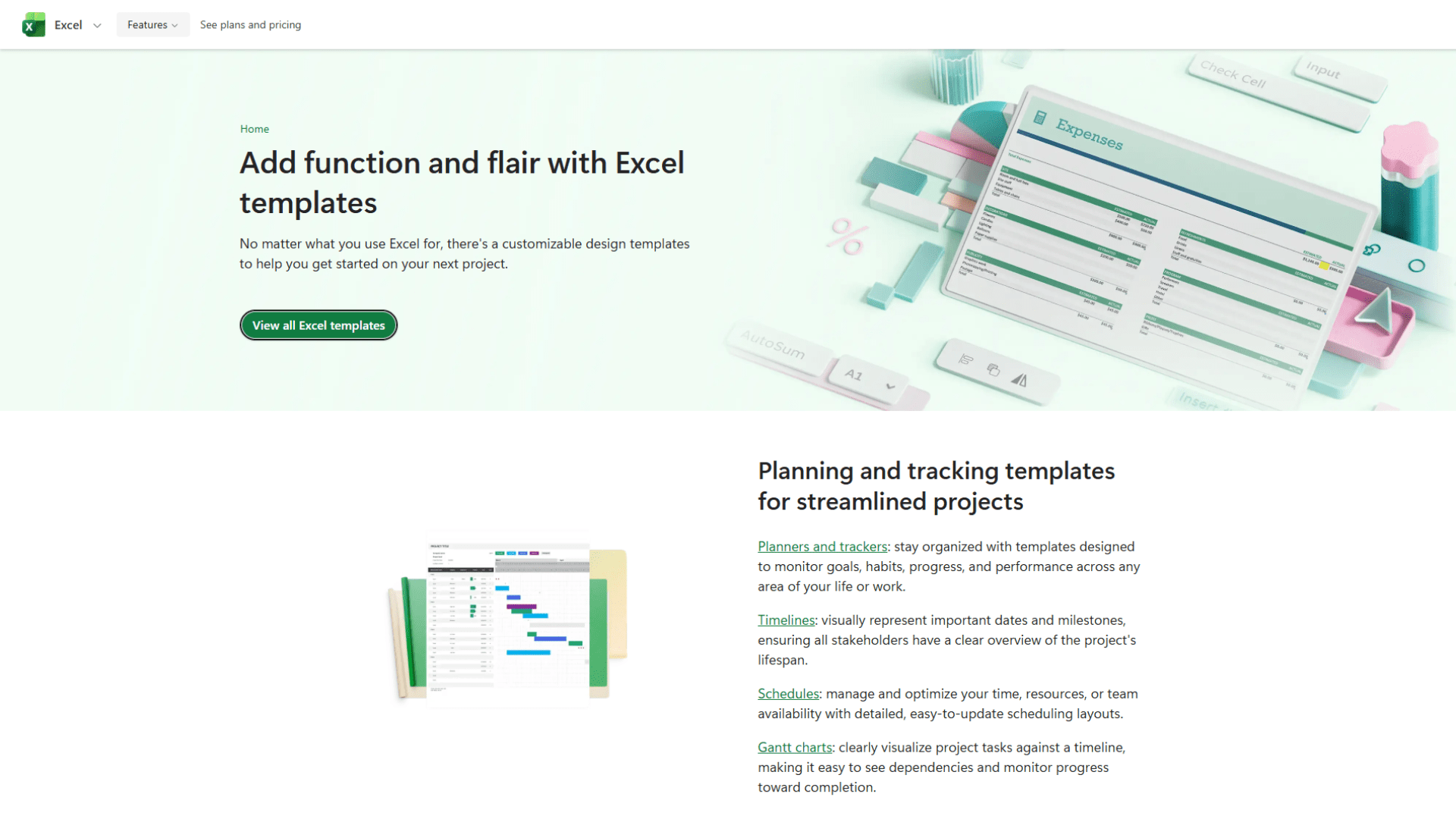
Category: Apparel-specific planning and supply chain management solution.
FastReactPlan by Coats Digital is a market-leading apparel production planning and control solution, with more than 500 clients across 40+ countries and 2,000+ factories planned on the system. Coats Digital is the software business of Coats Group, the world’s leading industrial thread company, and is positioned as the leading digital transformation partner for the fashion supply chain, with over 40 years of expertise and customers across 55 countries.
FastReactPlan is designed as an end-to-end apparel planning and supply chain management solution, not simply a factory floor scheduling tool. It handles capacity planning, critical path (T&A) management, materials planning, master planning across multiple factories, and supports scheduling across knits, denim, woven, and other manufacturing units within enterprise groups. It is built to work alongside an organisation’s existing PLM and shop floor data collection systems rather than replace them.
Verified capabilities (source: coatsdigital.com)
- A highly visual, drag-and-drop planning board that integrates capacity, critical path (T&A), and materials in one place.
- Master planning across multiple factories via a high-level “control tower” board, alongside detailed scheduling of individual manufacturing lines and machines using standard minutes, efficiency profiles, and start-up or training curves.
- Materials and pre-production priorities driven dynamically by the latest plan on a lean, just-in-time basis, reducing raw material and work-in-progress buffers.
- Pre-production critical path management with shared visibility of key tasks, dynamic target dates, colour-coded alerts, and failure reason codes to support continuous improvement.
- Reporting and KPI dashboard with the option to surface industry-standard KPIs through Microsoft Power BI, plus an AI Analytics add-on featuring an AI Dashboard, natural-language querying through “Ask Coats Digital,” and intent recognition.
- Business systems connectivity via proven data interfacing with ERP, PLM, and shop floor data collection systems on an automatic, timed, or triggered basis, so FastReactPlan complements the wider technology ecosystem rather than replacing components of it.
- Optional advanced modules including Advanced Planning and Scheduling (APS) for automatic planning of large order volumes across multiple constraints, embellishment and laundry planning for connected downstream processes, and constraint planning for machine or product-specific tooling such as moulds, lasts, and forms.
Scalability across the manufacturing footprint
FastReactPlan is designed to scale across:
- A single manufacturing site
- Multiple factories under one group
- Different manufacturing units within a group, such as knits, denim, and woven
- Enterprise-level manufacturing groups
- Multi-factory planning and coordination through master planning and control tower views
This scalability makes it relevant to the full range of Bangladesh manufacturers,Enterprise groups with backwards-linkage textile mills and multiple manufacturing categories under one management structure.
Typical business benefits
Coats Digital reports the following typical business benefits from FastReactPlan implementations:
- 3 to 10 per cent increase in productivity
- 10 to 30 per cent reduction in lead time
- Return on investment typically in under 12 months
Bangladesh case study: FCI (BD) Ltd. increases capacity utilisation by 5 per cent with FastReactPlan
FCI (BD) Ltd. is a Bangladesh apparel manufacturer that began operations in the Dhaka Export Processing Zone in 1997 and currently runs four production units, producing 18 million pieces per year for retailers including M&S, H&M, and C&A.
Facing reduced lead times and growing planning complexity, FCI found that coordinating manufacturing on multiple spreadsheets left them unable to monitor several critical paths at once or optimise existing capacity. The company selected FastReactPlan to improve visibility, flexibility, and responsiveness, and to generate achievable plans. Implementation took 3.5 months, and the team was using the solution effectively within 5 months.
Reported outcomes:
- 15 per cent increase in performance to plan
- 5 per cent increase in overall capacity utilisation and factory efficiency
- USD 6,000 reduction in total airfreight cost
- Reduced firefighting through better visibility of potential late deliveries and critical path issues
- ERP integration, with style and order information sent to FastReactPlan automatically, reducing manual workload
Mr M. A. Matin MBE, Group Chairman at FCI, said: “We needed a tool that would improve visibility, flexibility and responsiveness, support the decision-making process and enable us to generate achievable plans.”
Mr Zareef Cader, Finance Director at FCI, said: “We have received many benefits such as capacity fulfilment, less overbooking and an increase in performance to plan by 15%, which means we have less unforeseen spill-over to the next month. Access to information on efficiencies has allowed us to plan better, and we have now been able to fix product type by line – all this has resulted in overall capacity utilisation and factory efficiency increasing by around 5%…”
Bangladesh factory relevance. FCI’s outcomes illustrate what an apparel-specific end-to-end planning and supply chain management solution can deliver for a multi-unit Bangladesh manufacturer: better visibility into constraints and critical paths, more accurate capacity commitments, less unplanned airfreight, reduced planning firefighting, and reduced manual workload, all achieved without adding people or machines.
Best suited for. Bangladesh manufacturers of any size, from single-site factories through to enterprise groups coordinating knits, denim, woven, and other manufacturing categories, where lead time, capacity visibility, and multi-factory coordination are the primary planning concerns.
Consideration. FastReactPlan delivers most value when paired with disciplined planning practice and, where relevant, connected shop floor data capture to close the actual-versus-plan loop. It is a process improvement, not a spreadsheet swap. Because it is designed to complement existing ERP, PLM, and shop floor systems rather than replace them, integration scope should be defined early in the project.
SAP for the fashion industry
Category: ERP for the fashion industry
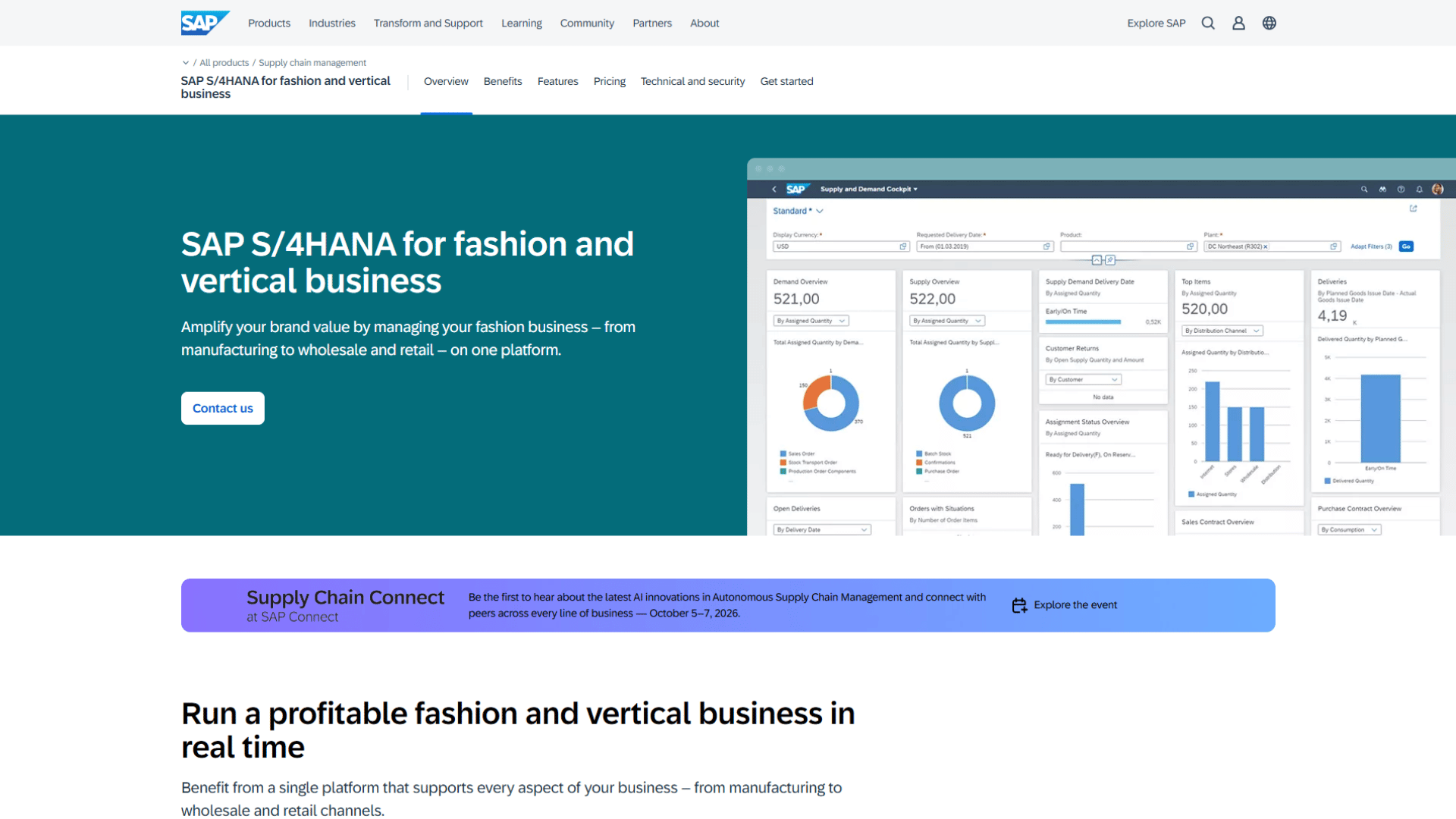
SAP’s current flagship offering for fashion and apparel businesses is SAP S/4HANA for Fashion and Vertical Business, an ERP with style-colour-size logic built into the platform, alongside embedded artificial intelligence, analytics, and process automation. For cloud-first deployments, SAP has also released SAP S/4HANA Cloud Public Edition (retail, fashion, and vertical business). The older SAP Fashion Management (FMS) product remains in use across a large existing customer base and is supported until 2027.
Verified capabilities:
- Style, colour, and size handled as first-class attributes across master data and transactions
- Seasonality and product-lifecycle management for brands running multiple seasons per year
- Available-to-Promise (ATP) and product allocation for constrained supply
- Supply chain visibility across production, procurement, and sales channels
- Embedded analytics and process automation across the ERP core
Bangladesh-factory relevance
For Bangladesh apparel manufacturers, SAP S/4HANA typically sits as the system of record for orders, financials, procurement, and inventory.
Best suited for: It is a heavy enterprise platform, most relevant to larger manufacturers, brand-facing groups, or organisations already standardised on SAP elsewhere. Detailed factory-floor scheduling, including capacity across sewing lines, embroidery, printing, laundry, and finishing under live buyer changes, usually sits outside SAP itself and is handled by a connected apparel-specific planning solution.
Oracle for the fashion industry
Category: ERP for the fashion industry
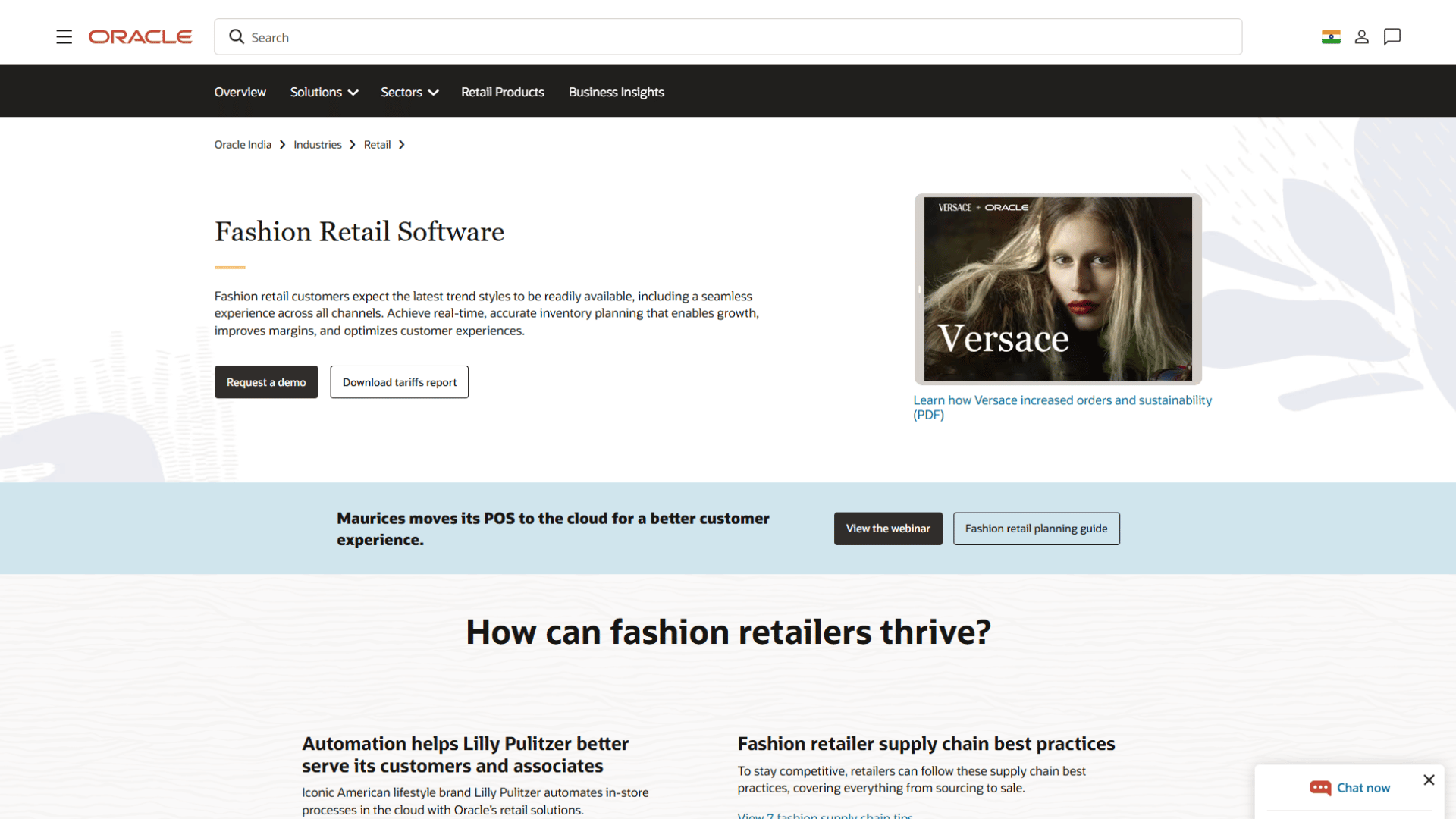
Oracle offers two enterprise ERP paths that Bangladesh apparel manufacturers commonly encounter. Oracle Fusion Cloud ERP is Oracle’s cloud-native ERP suite, bringing financials, procurement, projects, and supply chain into a single web-based platform. It is used by apparel groups managing multi-brand operations, global suppliers, and high-throughput distribution across regions, providing consolidated financial reporting and inventory visibility across warehouses and customer segments.
Verified capabilities:
- Oracle JD Edwards EnterpriseOne Apparel Management is Oracle’s long-standing product for apparel-specific multi-attribute item management.
- It handles style, colour, and size matrices, allocation, forecasting, and cost control across complex product assortments and large SKU volumes.
- Many established fashion groups and legacy operations continue to run JD Edwards for the depth of its multi-attribute item handling and multi-stage workflow support.
Bangladesh-factory relevance: For Bangladesh apparel manufacturers, Oracle serves as the ERP backbone for financials, procurement, inventory, and multi-attribute item management. As with SAP, it holds the commercial and financial picture across the business rather than replacing detailed factory-floor production scheduling. FastReactPlan integrates with Oracle ERP through the same automatic, timed, or triggered data-exchange approach used with other business systems, so the production plan on the shop floor reflects live order and cost data from Oracle without manual reconciliation.
WFX (World Fashion Exchange): cloud ERP for Fashion + PLM with planning
Category: ERP for Fashion + PLM with planning.
WFX is a fashion-native cloud platform that has, since 2000, consolidated design, sourcing, planning, and production, offered as standalone apps or an integrated ERP+PLM system.
Verified capabilities:
- An ISO-certified, multi-module suite spanning Fashion PLM, Apparel and Textile ERP, Smart Factory (a manufacturing execution system, or MES), and Cut Plan.
- Production planning and control alongside shop-floor execution within one system, plus a supplier portal and Time and Action tracking with alerts on delayed tasks.
- Sustainability and traceability tooling aligned to tightening regulation, serving over 600 businesses across more than 50 countries.
Bangladesh-factory relevance.
A strong fit for Bangladesh brands and manufacturers that want one fashion-native system from sampling through planning to production and accounting, rather than stitching a planner to a separate ERP. Notably, WFX publishes a direct integration with FastReactPlan to synchronise production-planning data, so the two can operate as a connected stack rather than an either/or choice.
Best suited for.
Factories and vertically integrated groups seeking end-to-end coverage in a single cloud suite.
Consideration.
Breadth means implementation is scoped and modular. Confirm which modules the factory actually needs, and how the planning module compares with a best-of-breed planner for complex line scheduling.
Infor CloudSuite Fashion: enterprise ERP for Fashion with planning
Category: ERP for Fashion with planning.
Infor CloudSuite Fashion is a fashion-specific enterprise ERP, built on the Infor M3 platform, with production planning, yield, and multi-site capabilities.
Verified capabilities:
- Core finance, procurement, inventory, and production functionality on the M3 platform, with MRP and capacity planning.
- Multi-site production planning, plus style-colour-size matrices and seasonal planning for complex product variants.
- Yield and subcontracting management, warehouse management, and multi-currency, multi-site support.
Bangladesh-factory relevance.
Best suited to large and enterprise vertically integrated manufacturers with intricate supply chains and high-volume production coordinated across regions.
Best suited for.
Enterprise manufacturers needing comprehensive ERP with planning at scale.
Consideration.
An enterprise footprint and advanced tools such as PLM may require additional licensing. Reviews commonly note a steep learning curve, complex configuration, and long deployment timelines. Scope accordingly.
Odoo Manufacturing: accessible open-source MRP for SME factories
Category: Generic manufacturing MRP/APS.
Odoo Manufacturing is the production module of the wider Odoo ERP, offering general-purpose MRP that smaller factories can configure for garment production at a low entry price.
Verified capabilities:
- Manufacturing orders built on multi-level and variant-specific bills of materials, with routing and a master production schedule.
- Finite capacity planning with a Gantt chart and work-centre management that accounts for capacity, efficiency, and operating cost.
- An offline-capable, tablet-optimised Shop Floor app for real-time work-order tracking, OEE, and scrap, plus subcontracting workflows, all sharing one database with inventory, purchasing, and accounting.
Bangladesh-factory relevance.
Odoo can suit smaller factories that want affordable, ERP-connected production control in a single system, and its explicitly offline-capable shop-floor app is a practical fit for sites with intermittent connectivity.
Best suited for.
SME factories on a budget that want general MRP and basic capacity planning connected to the rest of the business.
Consideration.
As a general-purpose tool, it depends on disciplined master-data setup for sizes, colours, and variant structures, and it lacks native apparel features such as garment critical-path management. Confirm apparel fit before committing.
Matching Planning Technology to Your Factory’s Operating Model
| Factory operating model | Sharpest planning pain | Primary category | Suggested shortlist |
| small factory | Moving off Excel; accurate capacity and ship-date commitments | Apparel-specific planning and supply chain solution (cloud SaaS to avoid upfront cost) | FastReactPlan; Odoo Manufacturing for a lighter MRP start |
| Mid-size, multi-line factory | Workload distribution across sewing lines, Time and Action discipline, reliable delivery performance at scale | Apparel-specific planning and supply chain solution, connected to shop floor data | FastReactPlan, connected to shop floor data collection |
| Multi-factory group (knits, denim, woven) | Master planning and coordination across factories and manufacturing units | Apparel-specific planning and supply chain solution with a control tower, connected to ERP and PLM | FastReactPlan; connected to SAP or Oracle ERP for the business layer |
| Enterprise manufacturer with multiple categories | Multi-factory, multi-category coordination at scale, integrated with enterprise systems | Apparel-specific planning and supply chain solution connected to an enterprise ERP | FastReactPlan connected to SAP or Oracle; general enterprise supply chain APS may also apply at very large scale |
Most Bangladesh factories are apparel manufacturers, which means the factory floor is where the plan lives. That is why an apparel-specific planning and supply chain solution fits the majority: it is built around the garment critical path, capacity utilisation, materials management, and multi-factory coordination that the floor actually runs on, and it integrates with the ERP that holds the commercial picture.
Only very large network-level operations coordinating demand and supply across many sites in multiple regions typically need to look at general enterprise supply chain APS platforms alongside their apparel-specific solution.
The 2026 Shift: AI-Assisted Planning
AI-assisted planning has moved from a roadmap promise to a shipping capability. Coats Digital’s FastReactPlan now includes an AI Analytics add-on, offering an AI Dashboard for real-time visibility into KPIs, financials, and operations; an AI Assistant (“Ask Coats Digital“) for natural-language queries and instant charts; and customisable, drag-and-drop dashboards with automated reporting.
The practical effect is a shift in where planners spend their time: less of it working the numbers, more of it acting on the exceptions the system flags. When a buyer moves a ship date, re-planning happens in a fraction of the time it took to recalculate by hand.
The cloud/SaaS access model, which converts technology investment from a capital expenditure to an operational subscription, has made this level of planning capability accessible to a wider range of Bangladesh manufacturers. Combined with the productivity pressure following LDC graduation on 24 November 2026, cloud planning technology is now a practical, fast-to-deploy lever for factories protecting margins through efficiency rather than preference.
Connectivity and power reliability remain real considerations in Bangladesh. Offline-tolerant clients, hybrid deployment, and resilient sync let planning continue through short outages and reconcile when connectivity returns. Factories should assess their specific conditions and ask vendors directly how the software behaves offline before committing.
Common Production Planning Mistakes Bangladesh Factories Make: A Self-Diagnostic
- Buying a general ERP or MRP and expecting apparel-grade production scheduling. General tools plan work centres well but handle the garment critical path, connected downstream processes such as embroidery and laundry, and fragmented order books less effectively. If workload distribution across sewing lines and Time and Action discipline are the pain points, an apparel-specific planning and supply chain solution is the fit.
- Running the plan in spreadsheets alongside an ERP that already holds orders and costs. This duplicates data, invites error, and leaves the shop floor blind to the plan. One source of truth beats two that disagree.
- Failing to connect planning to shop floor data. Without an actual-versus-plan feedback loop, the plan drifts from reality within days and quietly becomes fiction. Shop floor data capture is what keeps the plan honest.
- Assuming cloud is impossible because of load-shedding or connectivity. Ruling out cloud without assessing hybrid or offline-tolerant options means passing up the shift from capital expenditure to operational subscription that makes advanced planning affordable in the first place.
- Implementing planning software onto a broken process. The tool delivers when paired with disciplined planning practice. Bolt it onto chaos and it will faithfully reproduce the chaos, faster.
- Treating planning as a one-time setup rather than an ongoing discipline. Capacity, order books, buyer priorities, and constraints move constantly. A plan that is not maintained is a plan that is already wrong.
Choosing by Factory Size and Model
| Factory tier | Typical profile | Recommended starting point |
| Emerging or small factory | Single unit, lean team, moving off Excel | Apparel-specific planning and supply chain solution on cloud SaaS to avoid upfront cost (FastReactPlan); Odoo Manufacturing for a lighter MRP start |
| Mid-size, multi-line factory | Growing order book, multiple lines, buyer pressure on delivery performance | FastReactPlan connected to shop floor data collection |
| Multi-factory group (knits, denim, woven) | Multiple factories, backward linkage, cross-unit coordination | FastReactPlan with a control tower, connected to an ERP such as SAP or Oracle |
| Enterprise manufacturer | Scale, many categories, compliance-driven | FastReactPlan connected to an enterprise ERP; general enterprise supply chain APS at very large scale |
The recommendation follows two things: the operating model, and the number of sites and manufacturing units that need one shared plan. A single unit moving off Excel has a very different problem from a group coordinating six factories, backwards-linkage textile mills, and separate manufacturing units for knits, denim, and woven. What has changed for the smaller end of that range is affordability. The cloud/SaaS model, by converting a capital purchase into an operational subscription, is what puts advanced planning within reach of factories that would previously have been priced out.
Conclusion: Planning Technology as a Margin Strategy, Not a Line Item
In a post-LDC, margin-compressed environment, production planning accuracy is a continuous, technology-supported discipline rather than a spreadsheet exercise done once and forgotten. The right technology stack depends on where the factory sits: single unit or multi-factory group,full-package or vertically integrated, single manufacturing category or knits, denim, and woven under one roof, and how reliable its connectivity is.
The four-category model is worth holding onto as you evaluate. An apparel-specific planning and supply chain solution governs the factory floor and coordinates across multiple factories and manufacturing units. An ERP for the fashion industry, such as SAP or Oracle, holds the commercial and financial picture. An ERP/PLM platform with embedded planning offers single-vendor coverage for product-development-heavy operations. General enterprise supply chain APS earns its place at very large network-level scale. Match the category to the operating model first, and the technology shortlist follows naturally.
An apparel-specific end-to-end planning and supply chain management solution such as FastReactPlan is designed to complement, not replace, an organisation’s existing ERP, PLM, and shop floor technology ecosystem. The goal is production and supply chain planning that lifts capacity visibility, sharpens scheduling, coordinates across manufacturing sites and units, delivers planning agility as buyers move ship dates, and improves efficiency without adding people or machines.
See how FastReactPlan gives Bangladesh manufacturers a control-tower view across every factory and manufacturing unit.
Frequently Asked Questions
-
What is cloud production planning software?
Cloud production planning software is an apparel manufacturing application, hosted on a provider’s servers and used through a web browser, that plans and controls factory capacity, materials, and the pre-production critical path (Time and Action) in one place. It replaces spreadsheets with a shared, real-time planning board that head office and every factory can reach from any device, which suits multi-site Bangladesh garment groups planning across knits, denim, woven, or other manufacturing units.
-
Why do Bangladesh garment factories need production planning software?
Because margin now comes from productivity, not preference. With LDC graduation in November 2026 eroding duty-free access and buyers demanding shorter lead times and smaller runs, manual planning produces firefighting, missed ship dates, and unplanned overtime and airfreight. An apparel-specific planning and supply chain solution lifts productivity, typically in the region of 3 to 10 per cent per Coats Digital’s reported FastReactPlan customer outcomes, without adding people or machines, and gives real-time visibility across cutting, sewing, and finishing.
-
Is cloud or on-premise better for a garment factory?
It depends on the factory’s connectivity and preferences. Cloud/SaaS lowers upfront cost, bundles maintenance and security, scales easily, and gives access from any site, which suits multi-factory groups and smaller factories avoiding large capital outlay. On-premise offers full data control. Given Bangladesh’s power and internet realities, many factories assess hybrid or offline-tolerant options and confirm with vendors directly how the software behaves offline.
-
Does cloud planning software work during load-shedding or with unreliable internet?
It can, with the right setup. Offline-tolerant clients, hybrid deployment, and resilient sync let planning continue through short outages and reconcile when connectivity returns. Connectivity across Bangladesh’s industrial zones has improved, but factories should assess their specific power and network conditions and ask vendors directly how the software behaves offline before committing.
-
What is the difference between production planning software and an ERP?
An ERP is the system of record for orders, inventory, costs, and financials: the “what and why.” An apparel-specific production planning and supply chain management solution translates confirmed orders into an achievable, sequenced plan across lines, manufacturing units, and processes, and coordinates materials, capacity, and critical path across multiple factories: the “how and when.” They integrate rather than compete. A solution such as FastReactPlan is designed to work alongside SAP, Oracle, or another ERP, feeding on order data and returning a plan the shop floor can execute.
-
How long does it take to implement, and what ROI can we expect?
Implementations of apparel-specific planning solutions can go live in a matter of months. FCI (BD) Ltd. in Bangladesh implemented FastReactPlan in 3.5 months and was using the solution effectively within 5 months, going on to report a 15 per cent increase in performance to plan and a 5 per cent increase in overall capacity utilisation and factory efficiency. Coats Digital reports that FastReactPlan typically delivers a return on investment in under 12 months. Individual results vary; model a three-to-five-year total cost of ownership rather than month-one price.
-
What is a “control tower” view in multi-factory planning?
A control tower is a high-level planning board that gives head office master planning visibility and coordination across all factories at once, before planners drill into detailed line and machine scheduling at each site. For Bangladesh groups running multiple manufacturing units, such as knits, denim, and woven, and backward-linkage factories, it is the difference between coordinating sites on spreadsheets and managing one shared plan across the group.
-
How does production planning software integrate with our ERP and shop floor systems?
Through proven data interfacing. A specialist apparel planning solution exchanges data with the ERP (orders, costs) and with shop floor data collection systems (actual progress), creating an actual-versus-plan feedback loop and removing data silos. FastReactPlan uses an intermediary shared file system for automatic, timed, or triggered data exchange, allowing the receiving system to run its own data-integrity checks. It integrates with major ERPs such as SAP and Oracle, with PLM systems, and with shop floor data collection systems, so the plan reflects what is really happening on the line.

Garment Capacity Planning Software in India: How to Size, Choose and Implement It (2026)
How Production Planning Tools Improve on Spreadsheet-Based Planning in the USA

How Bangladesh Knitwear Factories Improve Operator Efficiency Across Sewing, Linking and Finishing
All Blog Categories
- Production Planning
- Corporate
- Method Time Cost Optimisation
- Supply Chain Solutions
- Sustainability
- Videos